
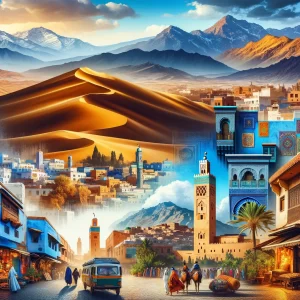
 Embarquez pour un voyage à travers les paysages enchanteurs du Maroc, des dunes ondulantes du désert du Sahara aux rues bleues et sereines de Chefchaouen. Explorez d’anciennes médinas, des montagnes majestueuses et des villes animées, chacune offrant un mélange unique de culture, d’histoire et de beauté naturelle. Que vous soyez à la recherche d’aventure dans les montagnes de l’Atlas, de détente sur les plages balayées par le vent d’Essaouira ou de l’énergie animée des marchés de Marrakech, le Maroc vous attend pour captiver vos sens et créer des souvenirs inoubliables.







Understanding Casinos: A Comprehensive Study
Casinos are establishments that provide a variety of gambling-related activities, including games of chance, betting, and entertainment. They are often associated with luxury and leisure, attracting millions of visitors worldwide who seek both excitement and the potential for financial gain. This report delves into the history, types, operations, economic impact, regulations, and social implications of casinos.
Historical Background
The concept of gambling dates back to ancient civilizations. Evidence of gambling activities can be traced to ancient China, where tiles were discovered that suggest a rudimentary form of a lottery game. The modern casino as we know it began to take shape in the 17th century, particularly with the establishment of the first official gambling house, the “Ridotto,” in Venice, Italy, in 1638. This establishment was designed to provide a controlled environment for gambling, and it set the stage for future casinos.
The term “casino” itself is derived from the Italian word “casa,” meaning “house.” Over the centuries, casinos evolved, spreading across Europe and adapting to various cultural contexts. The first American casino was established in New Orleans in the early 19th century, and the gambling industry boomed in the United States, particularly in cities like Las Vegas and Atlantic City.

Types of Casinos
Casinos can be categorized into several types based on their location and the range of services they offer:
- Land-Based Casinos: These are physical establishments where patrons can engage in gambling activities. They often include a variety of games, such as slot machines, poker, blackjack, roulette, and more. Land-based casinos may also feature hotels, restaurants, and entertainment venues.
- Online Casinos: Click here With the advent of the internet, online casinos have gained immense popularity. They offer a wide range of games that can be played from the comfort of one’s home. Online casinos often provide bonuses and promotions to attract players.
- Riverboat Casinos: These casinos are located on boats that operate on rivers. They are particularly popular in the United States, where riverboat gambling was legalized in the 1990s. These establishments offer a unique gambling experience with scenic views.
- Resort Casinos: These are large-scale establishments that combine gambling with luxury accommodations, fine dining, and entertainment options. Examples include the famous Las Vegas Strip resorts, where visitors can enjoy a complete vacation experience.
Operations and Games
Casinos operate on a business model that relies on the concept of the “house edge,” which ensures that the casino has a statistical advantage over the players in the long run. The games offered can be broadly categorized into two types: table games and electronic games.
- Table Games: These include traditional games like blackjack, poker, baccarat, and craps, which require a dealer and are played on a table. Players compete against each other or against the house, depending on the game.
- Electronic Games: Slot machines are the most popular form of electronic gambling. They are user-friendly and require no skill, making them accessible to a wide audience. Video poker and electronic roulette are also common.
Casinos employ various strategies to enhance the gaming experience, including offering complimentary drinks, loyalty programs, and entertainment options such as live shows and concerts.
Economic Impact
Casinos play a significant role in the economy of many regions. They generate substantial revenue through gambling taxes, which can be used to fund public services, infrastructure, and community programs. The casino industry also creates jobs, ranging from dealers and security personnel to hospitality and management roles.
In addition to direct employment, casinos stimulate local economies by attracting tourists, who spend money on hotels, dining, and entertainment. This influx of visitors can lead to increased business for local vendors and service providers.
Regulations and Legal Framework
The operation of casinos is heavily regulated to ensure fairness, prevent fraud, and protect consumers. Laws governing casinos vary significantly from one jurisdiction to another. In the United States, for example, each state has its own set of regulations regarding the legality of gambling, licensing requirements, and operational standards.
Regulatory bodies, such as the Nevada Gaming Control Board and the New Jersey Division of Gaming Enforcement, oversee the industry to maintain integrity and compliance with the law. Online casinos are subject to additional regulations, including age verification and responsible gambling measures.

Social Implications
While casinos can contribute positively to the economy, they also raise concerns regarding social issues. Problem gambling, addiction, and financial distress are significant risks associated with gambling activities. Many casinos implement responsible gambling programs, providing resources and support for individuals who may be struggling with gambling-related issues.
Community attitudes towards casinos can be mixed. Some view them as valuable economic assets, while others express concerns about their potential to contribute to crime, addiction, and social decay. Balancing the economic benefits with social responsibility remains a challenge for policymakers.
Conclusion
Casinos are complex institutions that serve as centers for entertainment, leisure, and economic activity. They have a rich history and have evolved significantly over time, adapting to technological advancements and changing consumer preferences. While they provide numerous economic benefits, the social implications of gambling cannot be overlooked. As the industry continues to grow, it is essential for stakeholders to work collaboratively to ensure that casinos operate responsibly and contribute positively to society.